‘They don’t make whisky like they used to.’ It’s the sort of thing whisky enthusiasts like to say after tasting an old bottling, usually followed by something about wax, tropical fruit or an elusive ‘old-school’ character. Taken literally, though, they’re right: whisky really isn’t made exactly as it used to be. Raw materials, production methods, casks and bottling practices have all evolved, while the liquid in those old bottles has sometimes spent another half-century sitting behind a cork or screw cap. So when an old bottling tastes noticeably different from its modern equivalent, what exactly are we tasting – and can we really know why?
Why old bottlings taste different
‘They don’t make whisky like they used to.’
It is the sort of sentence that can make whisky enthusiasts nod approvingly while everyone else quietly looks for another table.
Usually, it is an opinion. Often it means that whisky was better in the old days, casks were better, distilleries cared more, accountants cared less, and everything went downhill at some unspecified point shortly before the person speaking started buying whisky.
Taken literally, though, it is simply a fact. They really don’t make whisky like they used to.
Barley varieties have changed. Malting has changed. Yeast has changed. Fermentation practices have changed. Many stills that were directly fired are now heated by steam. Condensing equipment has changed at some distilleries. Cask supply has changed dramatically. Bottling and filtration practices have changed too.
And once all of that was done, the old bottle then spent another thirty, forty or fifty years sitting on a shelf before we eventually opened it.
So when an old bottling tastes different from its modern equivalent, the difficult question is not whether there are possible reasons.
There are almost too many.
The difficult question is working out which one we are actually tasting.
First, what is an old bottling?
There is an obvious distinction worth making before going any further.
A 30-year-old whisky bottled in 2026 is an old whisky. A 12-year-old whisky bottled in 1976 is an old bottling. Those are very different things.
The first spent three decades interacting with oak before relatively recently being put into glass. The second may have spent only twelve years in wood, but its spirit was produced using the equipment, raw materials and methods of another period, matured in the casks available then, bottled according to the practices of the time, and subsequently spent half a century in glass.
It is the second kind that interests me here.
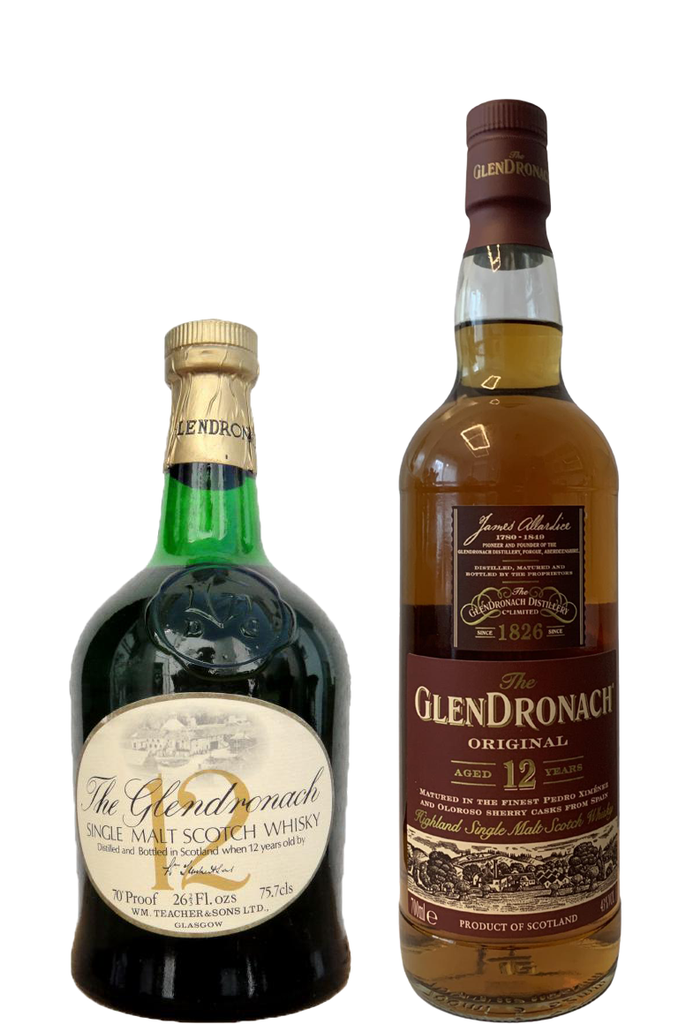
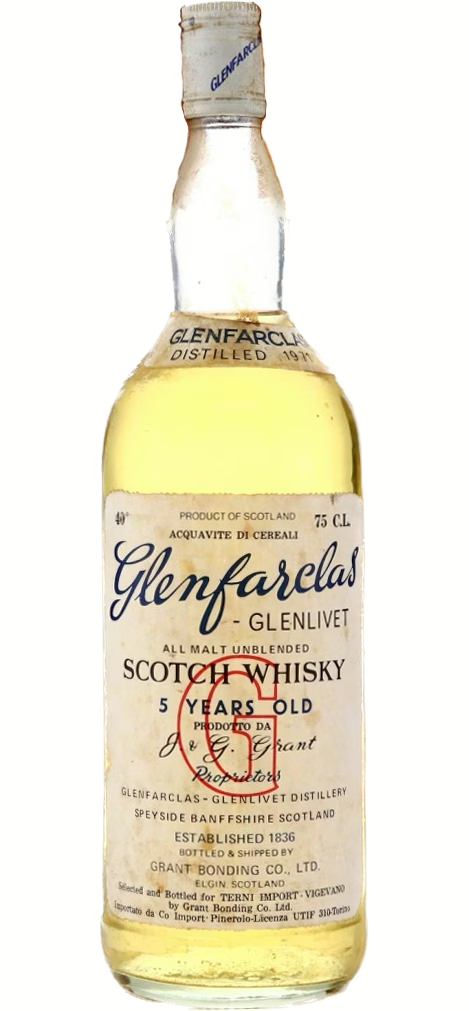
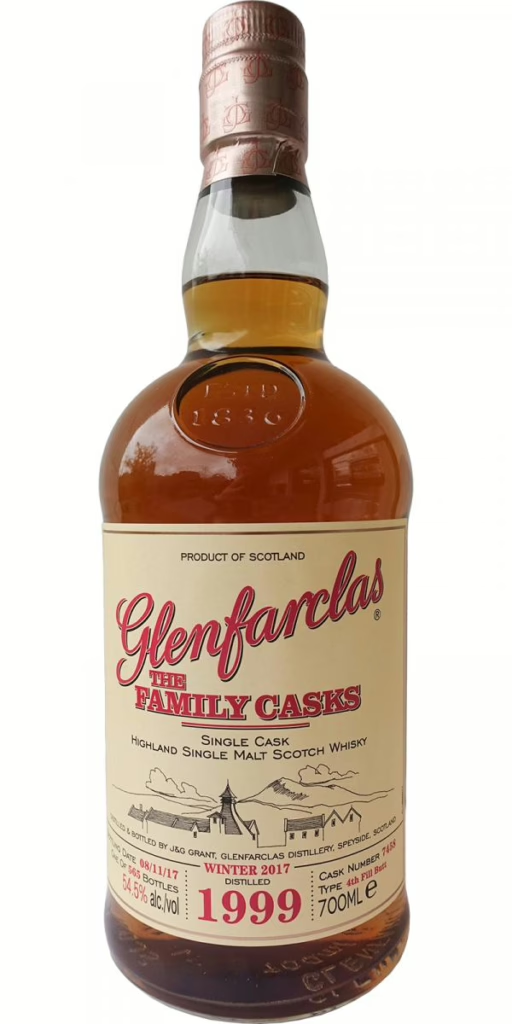
When we compare an old bottling with a current equivalent, we tend to imagine a fairly simple experiment: the old version on the left, a new version on the right. Like in the picture above. In reality, it is a terrible experiment. Almost none of the variables are being held constant.
The whisky may have been different before it even reached the still.
One of the more tempting explanations for old-style whisky is barley.
Older varieties disappeared and were replaced by newer ones selected for agronomic performance and distilling efficiency. Modern distilling barley has been bred with things such as yield, enzyme activity, spirit yield and processing characteristics in mind.
That part is not controversial.
The leap from there to ‘old barley tasted better’ is considerably less secure. Research into whisky flavour does support the possibility that barley variety can influence spirit character, but separating the variety itself from growing conditions, malting specifications and subsequent processing is difficult.
So yes, the barley changed.
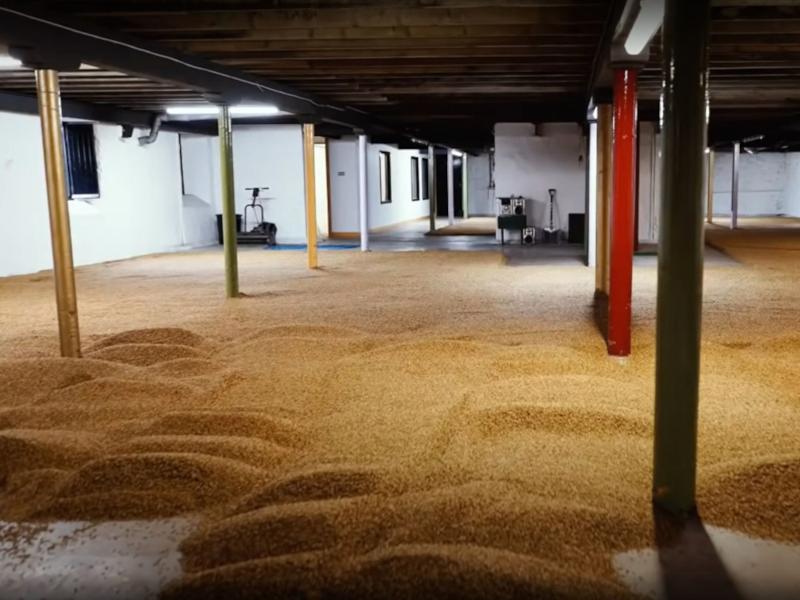
No, that does not give us permission to blame – or credit – Golden Promise every time an old whisky tastes gloriously waxy and fruity. The more interesting historical change may be what happened to the barley afterwards. For much of Scotch whisky’s history, malt distilleries commonly operated their own floor maltings. During the second half of the twentieth century, most moved towards malt supplied by large commercial maltsters. That wasn’t simply the same process moved into a larger building.
Graham Bathgate, in a fascinating 2019 review of what he calls the ‘lost styles’ of Scotch malt whisky, describes changes not only in barley but in steeping, germination, kilning, peat use and malt specifications. He argues that these changes altered concentrations of compounds associated with smoky, nutty, burnt, sulphury and fruity characters. In other words, the raw material arriving at the mash tun changed before we even started discussing fermentation and distillation.
That does not make floor-malted whisky inherently better. It makes it different. And that distinction is going to come up quite a lot.
The yeast changed too.
Yeast is another tempting ingredient to ignore because its obvious job is turning sugar into alcohol.
If only it were that simple.
Yeast also produces congeners – including esters and higher alcohols – which contribute directly to the aroma of new make spirit.
Historically, Scotch distillers have made considerable use of brewer’s yeast, often in combination with cultured distilling yeast. Over time, dedicated distilling strains became increasingly dominant, while consolidation in the brewing industry reduced the availability of the brewer’s yeast distillers had previously collected.
This is one of the areas where we have rather better evidence than nostalgic tasting notes.
Modern experimental work confirms that yeast strains can significantly alter the volatile compounds produced during whisky fermentation. Historical research also found differences when brewers’ and distillers’ yeasts were used together. So when the yeast regime changes, the wash changes. And the still can only distil what fermentation gives it.
And fermentation is not just a stopwatch.
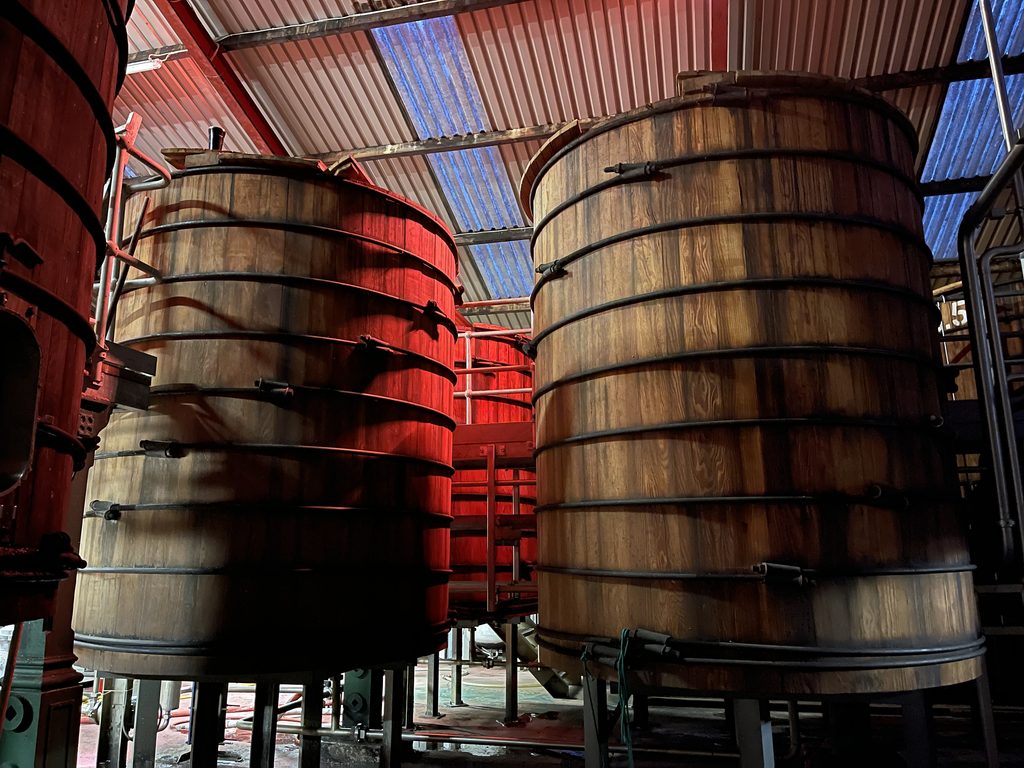
You will often hear that old distilleries used longer fermentation times. Sometimes they did. That doesn’t mean we can reduce old-style whisky to a magical number of hours. Scotch whisky wort is not boiled before fermentation. It therefore isn’t sterile, and populations of bacteria develop alongside the yeast. This becomes particularly interesting later in fermentation.
Research into malt whisky fermentations has found changing communities of lactic-acid bacteria as fermentation progresses. Fermentations longer than about 55 hours, in which those bacteria have had more opportunity to develop, tend to contain higher concentrations of esters. Lactic acid itself can react during distillation to form ethyl lactate.
Modern experimental work has also shown that deliberately altering bacterial activity in whisky wort can change the organic-acid profile and, ultimately, the character of the resulting new make spirit.
So longer fermentation can matter. But duration isn’t acting alone.
The yeast strain matters. Temperature matters. Wort clarity matters. Washback microbiology matters. The condition and cleanliness of the plant matter.
‘72 hours’ is not a flavour. What matters is what happens during those 72 hours.
Then somebody lit a fire under it.
Or, increasingly, didn’t.
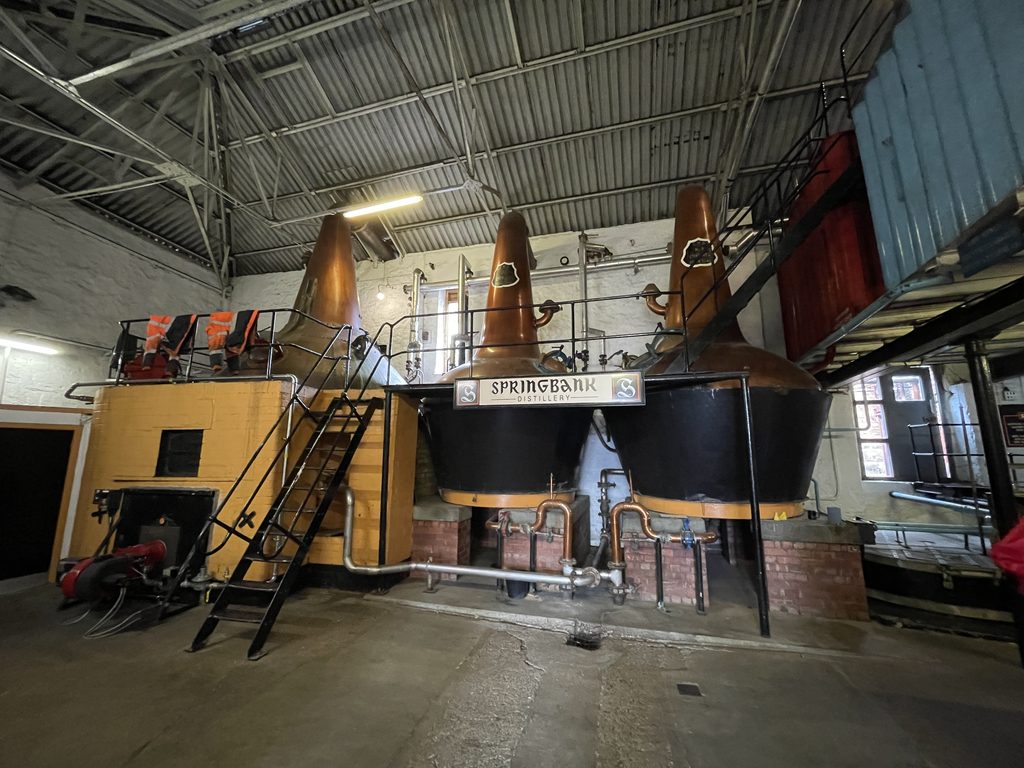
Historically, pot stills were heated directly by coal, gas or another flame beneath the still. During the twentieth century, most Scotch malt distilleries moved towards internal steam coils or other indirect heating systems.
Direct firing survives at very few distilleries today.
This is another real production change, and there are plausible reasons for it to affect flavour.
Direct heating creates intense local temperatures at the base of the wash still. Older stills therefore required devices called rummagers – essentially rotating chains – to prevent solids burning onto the copper. Bathgate links the disappearance of direct firing with changes in compounds such as furfural and, therefore, with changes in spirit character. That does not mean that a naked flame somehow injects ‘old-school character’ into whisky. Nor does it mean the steam-heated spirit is inferior.
It means that changing the way heat is transferred into several thousand litres of fermented wash can change the chemical conditions inside the still. Which seems rather less surprising when put like that.
The worms disappeared too.
Not all of them, thankfully.
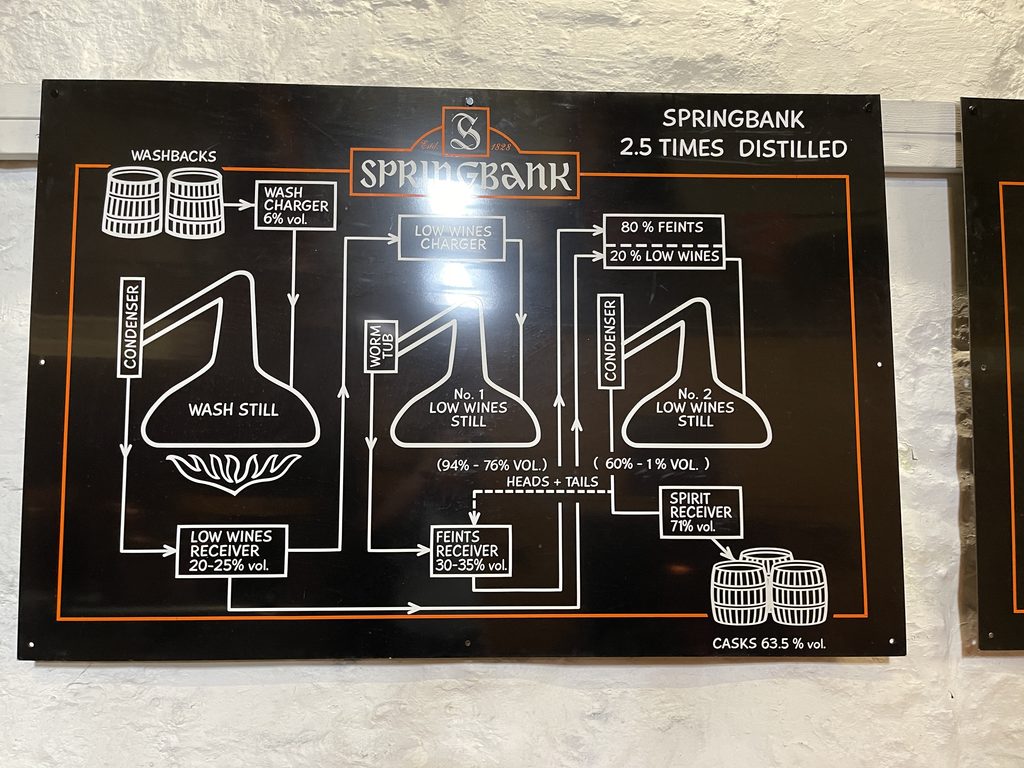
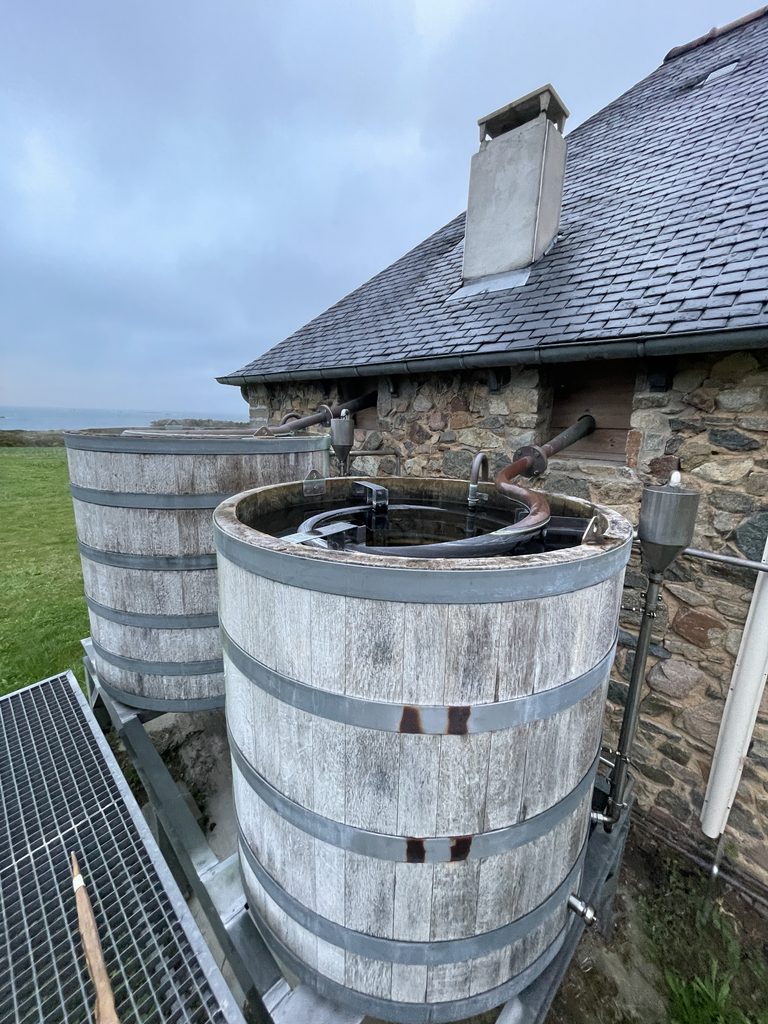
But another important historical change at some distilleries was the replacement of traditional worm tubs with shell-and-tube condensers.
Both perform the same fundamental job: turning alcoholic vapour back into liquid.
They do not necessarily do it in the same way.
Copper is chemically active during distillation, particularly in reactions involving sulphur compounds. Shell-and-tube condensers expose vapour and condensate to considerable copper surface area. A worm tub consists of a comparatively long copper coil submerged in cold water, where condensation can happen quickly with less effective copper interaction.
The resulting spirit can therefore retain more heavy, sulphury or meaty character.
There is a particularly useful historical example at Dalwhinnie. When its worm tubs were replaced by shell-and-tube condensers, the character of the new make changed enough that the worms were subsequently reinstated.
That doesn’t make worm tubs superior either. If your objective is a lighter spirit, removing sulphury compounds can be exactly what you want. But if you taste an old bottling from a distillery whose condensing system subsequently changed, you have another variable to consider.
By now, we haven’t even put the whisky into a cask and we have already changed the barley, malt specification, yeast, fermentation, heating and – in some cases – condensation.
This is why I become suspicious whenever somebody explains an old bottling with one sentence.
And then there are the casks.
This might be the largest elephant in the warehouse.
The cask economy available to Scotch whisky producers fifty years ago was not the cask economy available to them today.
Ex-bourbon barrels became increasingly important to Scotch during the twentieth century, while the supply of sherry casks changed profoundly.
And that brings us to one of whisky’s more persistent romantic stories. Old sherried whisky is sometimes described as having matured in wonderful old casks taken from Spanish bodegas, where they had spent decades maturing sherry in solera systems before being sent to Scotland.
Generally… no.
Those old solera casks were – and remain – valuable working equipment for the bodegas. Old wood that has become relatively inactive is useful when you want to mature wine without extracting lots of fresh oak character.
The casks historically available to the Scotch industry were more commonly transport casks.
Sherry was shipped from Jerez to Britain in wooden casks and bottled after arrival. Those casks might contain wine for months and sometimes considerably longer while being prepared, transported and stored. Once emptied in Britain, they were available for another use. Scotch whisky was a very convenient another use. That supply chain largely disappeared when bottling of Sherry moved to the production region around the beginning of the 1980s. Modern sherry casks used for whisky therefore usually come from a different system: casks are made and deliberately seasoned with sherry, specifically so that they can subsequently be used by the whisky industry.
So the useful comparison isn’t: wonderful genuine old sherry cask vs fake modern sherry cask.
It is: historical transport cask vs modern purpose-seasoned cask.
Both are genuine casks associated with sherry. But they don’t necessarily have the same oak, construction, wine, seasoning history or previous use. Why would we expect them to behave identically?
And perhaps there was some paxarette involved.
This is where things get even more interesting.
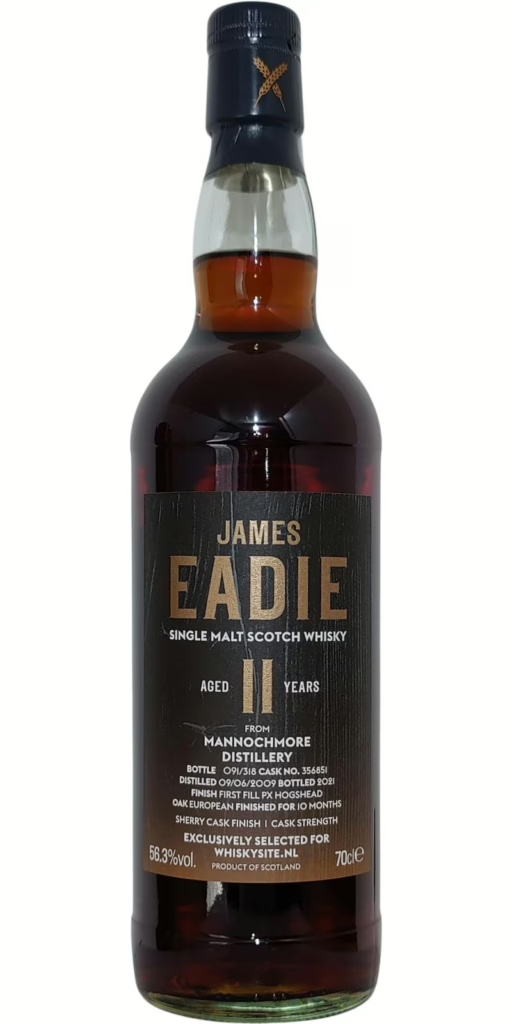
Paxarette – or pajarete – was a concentrated sweet wine product historically used by the whisky industry to rejuvenate tired casks. A cask could be treated with paxarette under pressure, allowing the liquid to penetrate the wood before the cask was filled again with whisky. This was not some tiny experimental curiosity. It became an established cask-treatment practice.
Then, in 1990, regulatory changes effectively ended its use for Scotch because it was regarded as an addition, affecting the character of the whisky. Which raises an entertaining problem when tasting older sherried whisky.
If I find an old bottling extraordinarily rich, dark and full of raisins, leather and old furniture, am I tasting a magnificent old transport cask?
Perhaps.
Am I tasting a refill cask that had been rejuvenated with paxarette?
Perhaps.
Can I determine that by swirling the glass thoughtfully and saying ‘old-school sherry’?
No.
That may be less romantic, but I find it considerably more interesting.
Even the recipe inside the bottle can change.
So far, I have mostly talked as though we were comparing individual casks. Most official bottlings are not individual casks. A 12-year-old single malt is a vatting, and its age statement tells you the age of its youngest whisky. It doesn’t give you a recipe.
Imagine the same 12-year-old expression in 1975 and 2025.
The older bottling might contain different proportions of first-fill and refill casks. It might contain different proportions of sherry and bourbon maturation. Its youngest component may be twelve years old, while other components are substantially older.
The modern version can be constructed differently while carrying exactly the same distillery’s name and exactly the same age statement.
Stocks change. Production volumes change. Demand changes. The number and types of casks available to the blender change. The desired house style can change. And sometimes the house style stays deliberately consistent, while everything needed to achieve it changes underneath.
This is why comparing an old Glen Whatever 12 with today’s Glen Whatever 12 isn’t comparing the same whisky separated only by time.
The label may be remarkably similar. The recipe behind it need not be.
What happened at bottling matters too
There is another layer between maturation and the bottle: how the whisky was prepared for bottling.
Strength is the obvious one. It is tempting to imagine that everything in the past was bottled at glorious high strength before modern companies discovered 40%. A quick look at old bottles should cure that idea. Old Scotch exists at 40%, 43%, 70 proof, 80 proof and all manner of fairly modest strengths, as well as at higher ones. So ABV is worth checking when comparing two bottlings, but ‘old whisky was stronger’ is not a useful general rule.
Filtration is more complicated.
Chill filtration removes compounds that can cause whisky to become hazy, particularly at lower temperatures or after water is added. Among them are long-chain fatty-acid esters. That means filtration undeniably changes the composition of the liquid. Whether you can taste that difference is another question.
A blind experiment involving 111 experienced whisky drinkers compared chill-filtered and non-chill-filtered versions of the same whiskies. Overall identification was essentially at chance level, and the non-chill-filtered samples did not receive higher quality ratings.
More recent analytical and sensory research has found associations between non-chill-filtered whiskies, higher ester concentrations and fruity aromas, although the researchers could not control all the other production differences between commercial samples.
So the most defensible conclusion is rather less exciting than whisky marketing would like:
Chill filtration changes the whisky chemically; how perceptible that change is depends on rather more than whether the label says “non-chill filtered”.
Caramel colouring is another poor shortcut. Plain caramel has been used in Scotch for a very long time. An old bottle being dark is therefore no more proof of heroic sherry maturation than a modern one being dark. As ever, colour tells you what colour the whisky is. It is remarkably good at that.
Now leave it in a bottle for fifty years.
At this point we have finally made and bottled our whisky. Surely we can stop changing variables now?
Well…
Whisky does not continue maturing in a glass bottle. There is no oak extraction, no breathing cask, and no angel’s share comparable with maturation in a warehouse. But ‘it doesn’t mature’ and ‘absolutely nothing can happen’ are not quite the same statement.
This brings us to the Old Bottle Effect, usually shortened to OBE.
If you drink enough old bottles, you will eventually hear someone attribute waxiness, metallic notes, furniture polish, old books, subdued fruit, mushrooms, soy sauce or various other characteristics to OBE. The awkward question is: what exactly is it?
And the awkward answer is that we don’t really know.
Old Bottle Effect: observation or explanation?
There are perfectly plausible mechanisms by which a spirit can change in a bottle.
A closure is not necessarily perfectly impermeable forever. Tiny amounts of oxygen may enter. Volatile aroma compounds can move into the headspace and, if the seal is imperfect, escape. Alcohol and water can slowly be lost. Light and temperature can affect chemical reactions. Cork itself can deteriorate or interact with the contents.
Research on other aged spirits has demonstrated measurable chemical changes during bottle storage and has identified closure permeability and oxygen transfer as possible contributors.
What we do not have is a lovely controlled Scotch experiment in which somebody bottled an identical whisky in 1965, analysed half of it immediately, stored the rest under documented conditions for sixty years and then gave it back to us.
Rather inconsiderate of them.
That creates a fundamental problem. Suppose I open a bottle of 1960s whisky in 2026 and find a peculiar waxy, metallic and slightly dusty character. Is that character the result of fifty or sixty years in glass? Or did the whisky taste like that in 1968? Without a contemporary sample, I cannot know.
And we have just spent most of this article establishing very good reasons why whisky produced in that period might have tasted different before it ever entered the bottle.
So I think the safest way to treat OBE is this:
Old Bottle Effect is a useful description of an observation. It is a much less certain explanation of its cause.
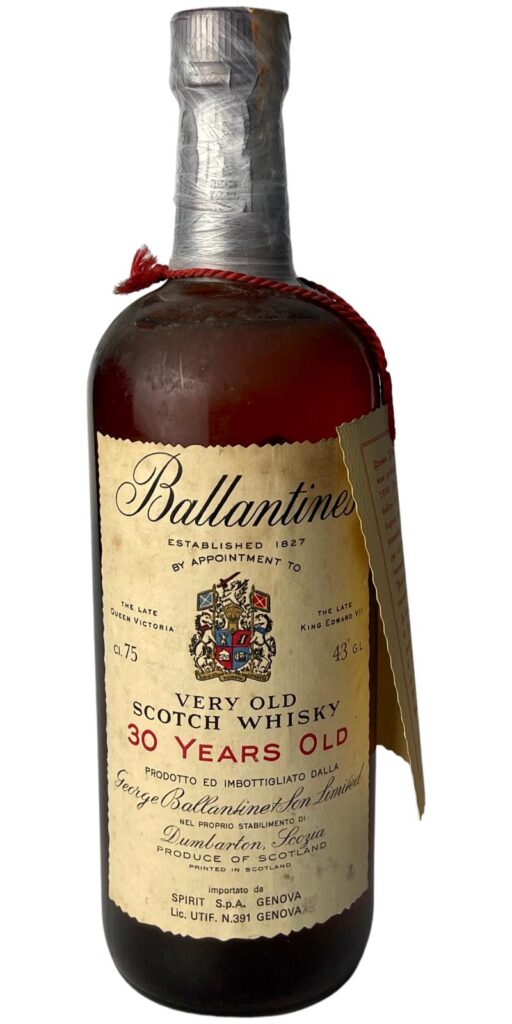
Bottle condition complicates things further.
Not all old bottles have experienced the same fifty years. One may have spent its life upright in a cool, dark cupboard. Another may have spent twenty summers in somebody’s attic. One may still have an excellent seal and a high fill level. Another may have lost several centimetres of liquid. One may have a screw cap. Another has a cork that now resembles an archaeological sample.
Storage studies on spirits show why closure permeability matters, and we know that oxygen transfer and evaporation can occur through or around closures.
So when an old bottle has a noticeably low fill level, that is not merely an auction-house cosmetic detail. Something has left the bottle, which means the conditions inside it have changed. What it does not tell us is exactly how the whisky will taste. A low fill isn’t an OBE meter. And a pristine fill level doesn’t prove that absolutely nothing has happened either.
It simply gives us another piece of evidence.
Then there is the bottle after you open it.
This is another situation that gets casually mixed into discussions of OBE. A sealed bottle with a tiny headspace is one thing. A bottle that has been opened repeatedly and is now one-third full is another.
Every opening exchanges some of the headspace with the surrounding atmosphere. The ratio between liquid and headspace changes dramatically as the bottle empties, while volatile compounds can partition into that increasingly large volume above the whisky.
So if a bottle tastes different six months after you opened it, that is not necessarily evidence for the same process supposedly responsible for an unopened bottle changing over forty years.
Different conditions.
Different problem.
I mention this because whisky discussions have a wonderful tendency to call anything involving whisky, oxygen and time ‘oxidation’ and consider the matter solved.
Chemistry is annoyingly less cooperative.
There is also a problem with us.
Everything so far has concerned the liquid. Unfortunately, there is another variable involved in tasting whisky.
The person drinking it.
Opening an old bottle is rarely a neutral sensory experience.
You have probably seen the label.
You know it is old.
You may know what it cost.
You may know its reputation.
You might have spent fifteen minutes watching somebody attack a crumbling cork with increasingly desperate equipment before finally getting the whisky into your glass.
By that stage, blind tasting conditions have rather gone out of the window.
Sensory research in food and drink repeatedly shows that external information can influence expectation and perception. Even something as simple as tasting order can affect whisky ratings.
That doesn’t mean the difference you taste isn’t real.
It means that knowing what you’re tasting is another uncontrolled variable.
I am certainly not immune to this.
Put an ugly 1970s label, an imperial measurement and a slightly questionable screw cap in front of me and I am probably halfway to finding wax and engine oil before I have even nosed the glass.
The solution isn’t to stop enjoying history.
It is simply to remember that we brought some baggage to the tasting too.
And we don’t taste a random sample of the past.
There is one last complication.
The old bottles available to whisky enthusiasts today are not necessarily representative of everything people were drinking forty or fifty years ago.
Certain brands survived in large quantities. Others didn’t.
Collectible bottles were preserved. Some ordinary bottles survived accidentally at the back of cupboards. Bottles considered valuable today circulate through auctions and enthusiast tastings far more often than forgotten supermarket whisky from the same period. I don’t think we have enough evidence to claim that ‘all the bad whisky got drunk and only the good stuff survived’. That is a wonderfully convenient story.
But we should at least acknowledge the sampling problem. ‘The old bottlings I tasted were better’ and ‘Whisky was better then’ are two quite different statements.
So why do old bottlings taste different?
After all of that, I can offer the wonderfully satisfying answer:
It depends.
But perhaps we can do slightly better.
There are four places where the difference can come from.
The spirit was different.
Different barley and malt specifications. Different kilning. Different yeast regimes. Different fermentation conditions. Direct firing instead of steam. Different copper contact or condensing systems. Not every distillery experienced every one of those changes, and not all at the same time.
But the production system evolved.
The casks were different.
The Scotch industry had access to different supplies of wood and previously used casks. Historical sherry transport casks gave way to purpose-seasoned casks. Refill histories differed. Paxarette existed as a cask treatment until regulatory changes ended its use.
Again, different does not automatically mean better.
The bottling was different.
Different casks could be selected for the vatting. The age distribution above the stated minimum could change. Strength could change. Filtration could change. Colour adjustment could change.
The name on the bottle could remain almost identical while the whisky behind it evolved.
And the bottle itself may have changed.
Decades in glass may allow slow chemical and physical changes, particularly depending on closure and storage conditions. But this is where our confidence falls sharply. OBE may exist as a genuine bottle-ageing phenomenon. Some effects attributed to it may instead come from historical production differences. Others may reflect poor storage or closure failure.
Usually, we don’t have the evidence needed to separate them.
They really don’t make it like they used to.
So yes.
They don’t make whisky like they used to.
Literally.
And that is much more interesting than saying whisky used to be better.
Modern maltsters can produce extraordinarily consistent malt. Distillers understand fermentation chemistry better than their predecessors did. Process control is vastly more precise. Cask specifications can be managed in ways that would have been impossible decades ago.
Consistency is not the same thing as mediocrity.
Equally, efficiency is not flavour-neutral.
When you change raw materials, equipment and processes, some flavour characteristics can diminish, while others become easier to control or deliberately create.
Bathgate’s research into lost Scotch styles is particularly interesting for exactly this reason. His argument isn’t that modern Scotch is bad. It is that multiple historical changes have altered the concentrations of flavour-active compounds and that some styles of malt whisky have consequently disappeared.
That seems entirely plausible.
And it also explains why trying to find the reason old whisky tastes different is probably futile.
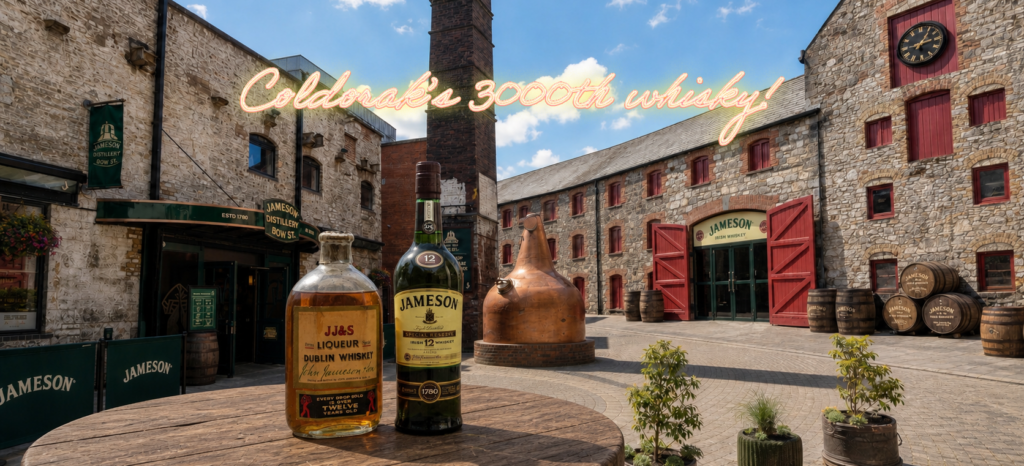
When I put an old bottling beside its modern equivalent, I am not comparing one whisky at two different points in time.
I may be comparing different barley varieties, different maltings, different yeasts, different fermentation regimes, differently heated stills, different condensers, different cask supply chains, different vatting recipes, different bottling strengths and different filtration practices.
One of the bottles has then spent another few decades behind a closure whose history I usually know absolutely nothing about.
And finally, I taste both of them while knowing perfectly well which is the old one.
As experiments go, it is appalling.
As whisky drinking goes, it can be fantastic.
So the next time an old bottling gives me wax, minerals, soot, tropical fruit, engine oil, old furniture or whatever else makes me mutter that they don’t make whisky like this anymore, I will probably still mutter it.
I may even be right.
I’ll just try not to be too certain about why.
Sources and further reading
Graham N. Bathgate, The influence of malt and wort processing on spirit character: the lost styles of Scotch malt whisky, Journal of the Institute of Brewing, 2019.
Research on Scotch whisky yeast and flavour, including The potential for Scotch Malt Whisky flavour diversification by yeast.
Research into bacterial populations during Scotch malt whisky fermentation, including Evolution of the Lactic Acid Bacterial Community during Malt Whisky Fermentation.
Consejo Regulador de Jerez, historical material on sherry transport casks and the move to bottling at origin.
Scotch Whisky Magazine, historical discussions of paxarette, direct firing, condensers and Old Bottle Effect.
Research into bottle storage of aged wine spirits, used here only as evidence that closure-dependent chemical change in bottled high-strength spirits is possible – not as proof of a particular mechanism for Scotch OBE.
Thanks
Well, I shouldn’t, but let’s thank for the sickness and medication preventing me from drinking alcohol and giving me way too much time on my hands. You didn’t think I’d let the blog become decrepit, right?