"They Don’t Make Whisky Like They Used To."

They Don’t Make Whisky Like They Used To. Literally.

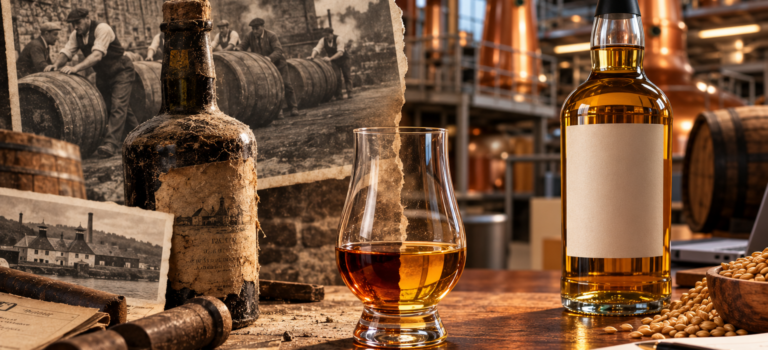
‘They don’t make whisky like they used to.’ It’s the sort of thing whisky enthusiasts like to say after tasting an old bottling, usually followed by something about wax, tropical fruit or an elusive ‘old-school’ character. Taken literally, though, they’re right: whisky really isn’t made exactly as it used to be. Raw materials, production methods, casks and bottling practices have all evolved, while the liquid in those old bottles has sometimes spent another half-century sitting behind a cork or screw cap. So when an old bottling tastes noticeably different from its modern equivalent, what exactly are we tasting – and can we really know why?

Read more →
How to read a label

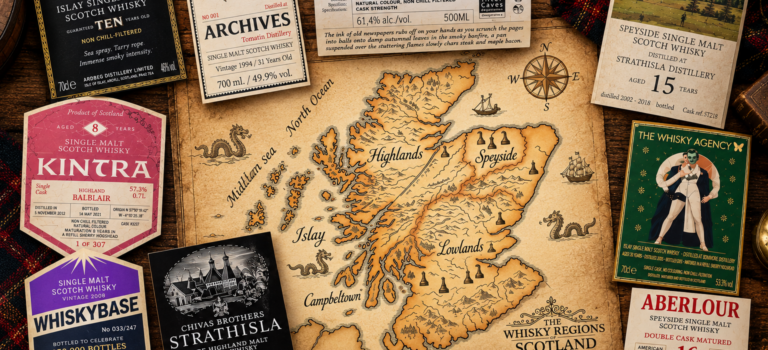
How to read a Scotch whisky bottle label

I spend a fair amount of time looking at labels before I pour anything. Independent bottlers in particular tend to put a lot of information on the bottle, and a little of it is required by law, some of it is voluntary, and some of it is simply the bottler’s own wording. The trouble is that all three look identical in small print.

So while the glass is temporarily empty, I thought I would go through some of the bottles I have reviewed and work out what each line on the label actually tells you – and what it does not.

For the legal side, I am relying mainly on the Scotch Whisky Regulations 2009, together with the Scotch Whisky Product Specification, where it adds relevant details. I will distinguish those rules from labelling conventions and voluntary information supplied by bottlers.

And, as we will eventually discover, this matters: something not specifically defined by the Scotch Whisky Regulations does not necessarily mean that anything goes.

Read more →